
0% READ
FULL TEXT
INTRODUCTION
Medicinal plants have historically played a fundamental role in the treatment and prevention of both infectious and non-infectious diseases and continue to serve as an important source of therapeutic agents. It is estimated that nearly 25% of currently used pharmaceutical drugs contain bioactive compounds derived from plant sources (Nissar et al., 2024). Advances in separation technologies and analytical methods, together with the increasing prevalence of emerging infectious diseases, have renewed scientific interest in plants as a valuable resource for drug discovery. Numerous medicinal plant species possess diverse pharmacological properties, including broad-spectrum antiviral activity (Mukhtar et al., 2008). In addition to antiviral potential, several plant-based remedies are traditionally employed for managing conditions such as toothache, gum infections, inflammatory disorders and diseases associated with the kidney and liver. Various Indian medicinal plants, including Sida acuta (Malvaceae), Toona ciliata, Ficus glomerata and Polyalthia longifolia, have been extensively utilized in traditional healthcare systems, where different plant parts such as bark, leaves and heartwood are used for therapeutic preparations (Malairajan et al., 2006).
The Himalayan region represents one of the most significant global biodiversity hotspots, characterized by unique ecological, phytogeographical and evolutionary conditions that support exceptional species richness. Extending across a wide altitudinal gradient of approximately 300-8000 m above mean sea level, the region sustains a highly diverse flora and fauna. It is estimated that the Himalayas harbour approximately 18,440 plant species, of which nearly 25.3% are endemic, along with around 1,748 medicinal plant species and about 675 species of wild edible plants. Medicinal plants from this region are widely traded in both raw and processed forms, contributing significantly to regional and international herbal markets. Recent developments in plant-based research have led to a substantial rise in the use of herbal health products across both developing and developed countries. Globally, nearly 70-80% of the population relies on medicinal plants for primary healthcare needs. In the Kashmir valley, medicinal plant resources not only play a crucial role in traditional healthcare systems but also represent an important source of livelihood and income for local communities (Mushtaq et al., 2020).
Bergenia ciliata (Saxifragaceae), commonly known as Pashanbheda, has been widely used in traditional systems of medicine including Ayurveda and Unani for the treatment of a variety of ailments. The rhizome is the most therapeutically important part of the plant and has long been valued in indigenous healthcare practices across the Himalayan region. Traditionally, preparations derived from the rhizome are used for the management of kidney and bladder disorders, dysuria, urinary calculi, gastrointestinal disturbances, inflammatory conditions, fever, cough and wound healing (Yaginuma et al., 2003). The plant is particularly renowned for its litholytic property, reflected in the Sanskrit name Pashanbheda, meaning “stone breaker,” which indicates its traditional use in dissolving kidney stones and treating urolithiasis.
In several Himalayan communities, rhizome paste of B. ciliata is applied topically to burns, wounds, cuts and boils, facilitating faster healing. The rhizome extract is also consumed orally for the treatment of diarrhoea, dysentery and respiratory ailments such as cough and cold. In Nepal, a mixture of dried rhizome juice and honey is traditionally administered to postpartum women as a tonic and as a remedy for digestive disorders. Similarly, decoctions prepared from the rhizome are used as antipyretic and antihelminthic preparations in traditional medicine (Bhattarai, 1991).
In the Himalayan regions of Jammu and Kashmir, Sikkim and Darjeeling, local communities utilize the plant for treating a range of conditions including asthma, fever, swellings and injuries. Bruised rhizomes are commonly applied for eye ailments, boils and inflammatory conditions, while rhizome juice is traditionally used as an antitussive agent for cough and respiratory discomfort (Khan and Kumar, 2016). The widespread ethnomedicinal use of Bergenia ciliata across Himalayan cultures highlights its therapeutic significance and underscores the need for systematic scientific investigations to validate its traditional applications.
Although Bergenia ciliata has long been used in traditional medicinal systems for the treatment of various ailments, scientific validation of its therapeutic potential remains essential. Ethnomedicinal claims associated with this plant are largely based on traditional knowledge transmitted through generations of local healers. Modern phytochemical investigations play a crucial role in identifying the bioactive constituents responsible for these therapeutic effects. The characterization of secondary metabolites such as phenolics, flavonoids and other bioactive compounds not only supports the traditional applications of the plant but also provides a scientific basis for its potential use in the development of herbal formulations and natural therapeutics. Therefore, systematic phytochemical screening and advanced analytical techniques are necessary to validate the pharmacological relevance of this traditionally important medicinal species.
Despite the extensive traditional use of Bergenia ciliata across the Himalayan region, comprehensive studies integrating ethnomedicinal knowledge with phytochemical characterization and product development remain limited. Most previous studies have primarily focused either on isolated pharmacological activities or on individual chemical constituents of the plant. However, there is a lack of integrated investigations that document traditional therapeutic practices, evaluate phytochemical composition and translate this knowledge into the development of value-added herbal products. Additionally, limited efforts have been made to scientifically document the indigenous knowledge of local healers regarding the preparation and use of Bergenia-based remedies. Addressing these gaps is essential for validating traditional medicinal practices and promoting the sustainable utilization of this important Himalayan medicinal plant.
MATERIALS AND METHODS
Study Area
The present study was conducted between 2021-2024 at the Division of Forest Products and Utilization, Faculty of Forestry, Sher-e-Kashmir University of Agricultural Sciences and Technology of Kashmir (SKUAST-K), Benhama, Ganderbal, located in the Kashmir Himalaya. The Kashmir Valley is situated in the north-western region of India between 32°22′-34°43′ N latitude and 73°52′-75°42′ E longitude, with an average altitude ranging from 1500 to 3000 m above mean sea level.
The experimental site at the Faculty of Forestry, SKUAST-Kashmir lies at 34ºC 16′4′′ N latitude and 74ºC 46′31′′ E longitude, at an elevation of approximately 1783 m above mean sea level. The region experiences a temperate climate characterized by warm summers and cold winters. Annual precipitation ranges between 690 and 1150 mm, occurring mainly from December to April in the form of rainfall and snowfall. Winter temperatures may drop to-8ºC, while summer temperatures can rise to about 33ºC. The area commonly experiences frost and moderate to heavy snowfall during winter.
Plant Material Collection
Rhizomes of Bergenia ciliata were collected from natural populations in the Himalayan region and were subsequently maintained at the experimental field of the Faculty of Forestry, SKUAST-Kashmir. Mature rhizomes were harvested at the end of the growing season, thoroughly washed, surface-sterilized, and shade-dried for 30–40 days. After attaining complete dryness, the rhizomes were ground into a coarse powder. The powdered material was subsequently subjected to Soxhlet extraction using methanol as the extraction solvent.
Plant Authentication and Voucher Specimen
The collected plant material was botanically identified, authenticated and submitted to the Centre for Biodiversity and Taxonomy (CBT), Department of Botany, University of Kashmir, India under voucher number 9391-KASH.
Field Surveys, Ethnobotanical Documentation and Morphological Characterization
Several field surveys were conducted, across different natural habitats of the Kashmir valley, namely Gond (Kangan), Mohanmarg and Dhara, to record the morphological characteristics such as plant spread (cm), leaf area (cm2), number of leaves per plant, rhizome diameter (cm), rhizome fresh weight (g) and rhizome dry weight (g).
The preliminary phytochemical screening of rhizome of B.ciliata was done using colorimetric assay using the standard protocols (Ahmed et al., 2016):
Test for Alkaloids: Presence of Alkaloid was confirmed using Mayer’s, Wagner’s and Dragendroff’s test.
Test for flavonoids: Presence of Flavonoid was confirmed using Alkaline reagent and Lead acetate test.
Test for saponins: Presence of Saponin was confirmed using Foam test.
A total of 120 informants were interviewed, including traditional Hakeems and local residents who possess knowledge of herbal medicine. The informants belonged to different age groups, with the majority being above 40 years of age, reflecting greater experience in traditional practices. Prior informed consent was obtained from all participants before conducting the interviews.
Ethnobotanical data were collected using semi-structured questionnaires and informal discussions. Interviews were primarily conducted in local languages such as Kashmiri and Urdu and were later translated into English for documentation. The informants were asked about local name of the plant, plant parts used, ailments treated, methods of preparation (decoction, powder, paste, etc.), dosage and mode of administration.
Quantitative Data Analysis
Use Value (UV)
The relative importance of Bergenia ciliata among the informants was evaluated using the Use Value (UV) index mentioned by Phillips and Gentry 1993, which reflects the frequency of citation and the significance of the specie in traditional healthcare practices. The UV was calculated following standard ethnobotanical methods with slight modification:
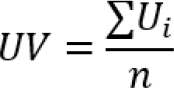
Where Ui represents the number of use reports cited by each informant for Bergenia ciliata, and n is the total number of informants interviewed.
Fidelity Level (FL)
The Fidelity Level (FL), mentioned by Friedman et al., 1986, was calculated to determine the percentage of informants claiming the use of Bergenia ciliata for a particular ailment:
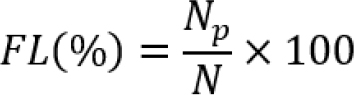
Where Np is the number of informants who reported the use of the species for a specific ailment, and Nis the total number of informants mentioning the plant for any use.
Development of Traditional Herbal Formulation
Based on the ethnobotanical information collected from Hakeems and local informants, a traditional herbal formulation was developed using the rhizome of Bergenia ciliata. The preparation methods were designed following traditional practices, including decoction and powder-based formulations. The ingredients, preparation procedure and mode of administration were documented based on consensus information obtained from informants.
Statistical analysis
The collected data were subjected to Analysis of Variance (ANOVA) appropriate for a Randomized Block Design. Data were expressed as Mean ± Standard Error of Mean (SEm), and mean differences between locations were compared using the Critical Difference (CD) test at 5% and 1% levels of significance p≤0.05 and p≤0.01. Ethnobotanical indices, including Use Value (UV) and Fidelity Level (FL), were calculated using standard formulae.
The UV was used to assess the relative importance of Bergenia ciliata among informants, while FL was calculated to determine the preference of the species for treating specific ailments.
RESULTS
Morphological Characteristics of Bergenia ciliata
The morpholofical characteristics of Bergenia ciliata mentioned in Table 1 revealed significant variation in the morphology among these sites. Plants at Mohanmarg recorded superior vegetative and rhizome traits, exhibiting the maximum plant spread (85.82 cm), leaf area (60.10 cm2), number of leaves (7.00/plant), rhizome diameter (6.03 cm), rhizome fresh weight (70.90 g) and rhizome dry weight (37.51 g). The subterranean rhizome was observed to be thick, fleshy, and dark brown, reflecting a well-developed storage structure under optimal natural conditions.
| Parameters | Mohanmarg | Dhara | Gond | SEm (±) | SEd | CD (p ≤ 0.05) | CD (p ≤ 0.01) | CV (%) |
|---|---|---|---|---|---|---|---|---|
| Plant spread (cm) | 85.82 | 55.00 | 49.46 | 0.72 | 1.01 | 2.47 | 3.75 | 1.95 |
| Leaf area (cm²) | 60.1 | 55.29 | 33.71 | 0.74 | 1.04 | 2.56 | 3.87 | 2.57 |
| Number of leaves (no. plant⁻¹) | 7 | 6 | 5 | 0.58 | 0.82 | 2 | 3.03 | 16.67 |
| Rhizome diameter (cm) | 6.03 | 3.62 | 2.85 | 0.08 | 0.12 | 0.28 | 0.43 | 3.4 |
| Rhizome fresh weight (g) | 70.9 | 65.18 | 58.13 | 0.82 | 1.15 | 2.82 | 4.28 | 2.18 |
| Rhizome dry weight (g) | 37.51 | 34.81 | 25.06 | 0.47 | 0.67 | 1.64 | 2.49 | 2.53 |
| Phytochemicals | Mohanmarg | Gond | Dhara |
|---|---|---|---|
| Alkaloids | _ | _ | _ |
| Flavonoids | + | + | + |
| Saponins | + | + | + |
(+) signifies presence and (-) signifies absence
| Phytochemical | Test procedure | Observation (Showing results) |
|---|---|---|
| Alkaloid | Filtrate + Mayerr’s reagent | Absence of Yellowish or white precipitate indicated the absence of alkaloid in the extract. |
| Filtrate+ Dragendroff’s reagent | Absence of Orange or orange-red precipitate indicated the absence of alkaloid in the extract. | |
| Filtrate + Wagner’s reagent | Absence of Whitish or cream coloured precipitate indicated the absence of alkaloid in the extract. | |
| Flavonoid | Filtrate + Alkaline reagent | Development of intense yellow & then colour less indicated the presence of flavonoid in extract. |
| Filtrate + Lead acetate solution | Yellow colour precipitate indicated the presence of flavonoid in extract | |
| Saponins | Foam test | Development of stable foam confirms the presence of saponins in the extract. |
At Dhara, plants demonstrated intermediate growth performance, recording a plant spread of 55.00 cm, leaf area of 55.29 cm2, 6.00/leaves plant, rhizome diameter of 3.62 cm, rhizome fresh weight of 65.18 g and rhizome dry weight of 34.81 g. Conversely, Gond (Kangan) consistently recorded the lowest values across all measured traits, yielding a plant spread of 49.46 cm, leaf area of 33.71 cm2, 5.00 leaves/plant, rhizome diameter of 2.85 cm, fresh weight of 58.13 g and dry weight of 25.06 g.
Ethnobotanical Information of Bergenia ciliata
A total of 120 informants were interviewed from the study areas of Gond (Kangan), Mohanmarg, and Dhara. The majority of the informants were above 40 years of age, indicating that traditional knowledge regarding Bergenia ciliata is predominantly retained among the older population. Both Hakeems and local residents reported extensive use of the species in traditional healthcare practices.
The plant is commonly known by its local name “zakhmehayat” and is widely utilized for the treatment of various ailments. The most frequently reported uses included treatment of kidney stones, respiratory disorders and inflammatory conditions. The rhizome was identified as the most commonly used plant part, followed by its leaves.
Mode of Utilization and Preparation
The study revealed that Bergenia ciliata is used in different forms such as decoction, powder and paste. Among these, decoction was the most commonly preferred method of preparation. The remedies were mainly administered orally, although topical application was also reported for certain conditions which is shown in Table 4.
| Specie | Part used | Procedure of product development | Ethnobotanical uses |
|---|---|---|---|
| Bergenia ciliata | Rhizome | Rhizome powder mixed with Cinnamomum verum (dalchini), sharbat-e-alubalu, and melon rind; boiled in 3 L water until reduced to 2.5 L; administered for 35 days | Gastrointestinal problems. Kidney stones |
| Bergenia ciliata | Rhizome, leaves | Powder (¼ teaspoon) mixed with honey and one glass of water; taken once weekly. | Kidney stones, GIT disorder |
| Bergenia ciliata | Rhizome, leaves | Powder mixed with water; fresh leaves chopped and soaked in water in an airtight container. | Cough, fever, kidney stone |
| Bergenia ciliata | Rhizome, leaves | Powder mixed with sharbat-e-alubalu; leaf paste applied externally | Leaves are used for curing wound |
| Bergenia ciliata | Leaves | Decoction prepared by boiling leaves in water and consumed after filtration. | Cough, fever, kidney stone |
| Bergenia ciliata | Rhizome | Powder mixed with honey or water prior to consumption. | Cough, fever, kidney stone |
| Bergenia ciliata | Leaves, rhizome | Leaves or rhizome soaked in hot water to prepare infusion; paste applied topically | Wound healing, anti-inflammatory |
Use Value (UV)
The Use Value (UV) of Bergenia ciliata was calculated to be 0.85, indicating its high relative importance among the informants. The high UV value reflects the widespread recognition and frequent utilization of the species in traditional medicinal practices in the study area.
Fidelity Level (FL)
The Fidelity Level (FL) values indicated a high degree of specificity of use. The highest FL was recorded for the treatment of kidney stones (90%), followed by respiratory disorders (82%) and inflammatory conditions (76%). The high FL values suggest strong agreement among informants regarding the use of Bergenia ciliata for these ailments.
Overall, the high Use Value (0.85) and elevated Fidelity Level (up to 90%), demonstrated that Bergenia ciliata is a highly valued and reliable medicinal plant among Hakeems and local communities in the Kashmir Himalaya.
The ethnobotanical data not only highlighted the medicinal importance of Bergenia ciliata but also provided a basis for developing traditional herbal formulations.
Development of Traditional Herbal Product
The information obtained through interactions provided valuable insights into indigenous medicinal practices and guided the development of a traditional herbal formulation based on the rhizome powder of Bergenia ciliata, shown in Table 6. The rhizome is known to contain various bioactive phytoconstituents and has been traditionally used for the management of several ailments, particularly kidney disorders, gastrointestinal problems, wound healing and inflammatory conditions (Rai et al., 2024).
| Parameter | Value |
|---|---|
| UV | 0.85 |
| FL (Kidney stones) | 90% |
| FL (Respiratory) | 82% |
| Step | Process | Description |
|---|---|---|
| 1 | Collection | Healthy rhizomes collected from natural populations |
| 2 | Cleaning | Removal of soil and impurities using clean water |
| 3 | Drying | Shade drying for 15-30 days at room temperature to preserve bioactive compounds |
| 4 | Moisture Control | Moisture content maintained below 12% for stability |
| 5 | Grinding | Dried rhizomes ground into fine powder |
| 6 | Quality Evaluation | Assessment of texture, appearance and solubility |
| 7 | Formulation | Preparation of decoction and infusion based on traditional knowledge |
| 8 | Packaging | Product stored in airtight containers |
| 9 | Labeling and Storage | Proper labeling and storage under dry conditions |
Based on the documented ethnomedicinal knowledge and supporting literature, a traditional herbal preparation was formulated using rhizome powder of Bergenia ciliata. The preparation method involved mixing the powdered rhizome with ingredients commonly used in traditional medicine, followed by decoction or infusion depending on the formulation. These preparations are traditionally administered for a specified treatment period and are believed to provide therapeutic benefits in various disorders.
Ethnobotanical investigation further revealed that different formulations are prepared using rhizomes and leaves of Bergenia ciliata. The procedures for preparation, plant parts used, and their ethnomedicinal applications are summarized in Table 6. These traditional formulations are primarily used for the treatment of kidney stones, gastrointestinal disorders, cough, fever, wound healing, and inflammatory conditions.
The integration of traditional knowledge with scientific investigation highlights the therapeutic significance of Bergenia ciliata and provides a foundation for the development of value-added herbal products.
DISCUSSION
The present study provides an integrated account of the morphological characteristics, location-specific variations and traditional ethnobotanical utilization of Bergenia ciliata across the Kashmir valley. The significant variations observed in vegetative parameters (plant spread, leaf area, leaf number) and subterranean yield traits (rhizome diameter, fresh weight, dry weight) among Mohanmarg, Dhara and Gond (Kangan) highlight the strong influence of local microclimates, altitude and soil characteristics on plant growth performance. This environmental plasticity and location-dependent morphological variation strongly support the findings of Dahiya et al. (2026), who reported similar altitudinal and habitat-induced variations in the morphological attributes and leaf area of B. ciliata in the Garhwal Himalayas. Furthermore, the pronounced influence of environmental factors and microclimatic variations on plant growth, organ development, and secondary metabolite accumulation of medicinal plants is well-supported by study of Kriker et al. (2013) who investigated the effect of climatic variations on Glycyrrhiza glabra L. across different arid regions in Algeria and reported that climatic factors, particularly temperature and precipitation, exert a significant impact on morphological attributes such as stem length, leaf area and leaf count. More importantly, their study revealed that climatic stress and temperature fluctuations directly dictate physiological processes, carbohydrate dynamics and the accumulation of active glycosides in underground roots and rhizomes.
These findings mirror our observations in B. ciliata, where favorable localized microclimates and environmental conditions at sites like Mohanmarg significantly enhanced vegetative canopy development, rhizome diameter and overall subterranean biomass compared to Gond (Kangan) and Dhara. This further reinforces the principle that ecological and climatic factors play a key role in regulating resource allocation to underground storage organs in medicinal species, making site selection critical for maximizing both biomass yield and therapeutic quality.
Previous studies have emphasized that the rhizome serves as the primary reservoir of bioactive compounds, contributing to its extensive use in traditional medicine (Singh et al., 2017; Kumar et al., 2019).
The ethnobotanical findings revealed that Bergenia ciliata is widely utilized by local communities and traditional Hakeems for the treatment of kidney stones, respiratory disorders, and inflammatory conditions. These observations are in agreement with earlier ethnomedicinal studies conducted in Himalayan regions, where the species has been reported for its lithotriptic, anti-inflammatory, and antimicrobial properties The predominance of rhizome usage recorded in the present study aligns with previous findings, which attribute higher concentrations of pharmacologically active constituents such as bergenin and catechin to the underground parts of the plant (Ballabh and Chaurasia, 2007; Bisht and Purohit, 2010).
The quantitative ethnobotanical indices further validate the cultural and medicinal importance of the species. The high Use Value (UV = 0.85) indicates widespread recognition and frequent utilization of Bergenia ciliata among informants. Similar high UV values have been reported for important medicinal plants in ethnobotanical studies, reflecting their central role in traditional healthcare systems (Phillips and Gentry, 1993). The elevated Fidelity Level (FL = 90%) for kidney stone treatment suggests a strong consensus among informants regarding the specific therapeutic application of the species. Such high FL values are indicative of the reliability and specificity of traditional knowledge, as also reported in earlier studies (Friedman et al., 1986).
The preparation methods documented in this study, including decoctions, powders, and infusions, are in accordance with traditional herbal practices widely reported in ethnopharmacological literature. The use of adjunct ingredients such as honey and herbal syrups further reflects the integrative nature of indigenous medicinal systems. These preparation techniques are known to enhance the bioavailability and therapeutic efficacy of plant-based remedies (Heinrich et al., 1998).
The development of a traditional herbal formulation based on ethnobotanical knowledge represents an important step toward the scientific validation and value addition of medicinal plants. Similar approaches have been emphasized in recent studies, highlighting the potential of integrating indigenous knowledge with modern research for the development of herbal products (Fabricant and Farnsworth, 2001). The standardization steps adopted in the present study, including controlled drying, moisture regulation, and quality assessment, are essential for ensuring product stability and efficacy.
Overall, the findings of the present study reinforce the therapeutic significance of Bergenia ciliata and highlight its potential for further pharmacological exploration and commercialization. The integration of morphological, ethnobotanical, and formulation-based approaches provides a comprehensive framework for the sustainable utilization and conservation of this valuable medicinal species.
CONCLUSION
The present study highlights the significance of Bergenia ciliata as an important medicinal resource in the Kashmir Himalaya, supported by strong ethnobotanical evidence and distinct morphological attributes. The integration of indigenous knowledge with systematic documentation and basic standardization approaches demonstrates the potential of this species for developing reliable herbal formulations. These findings provide a scientific basis for future pharmacological validation, sustainable utilization, and conservation of this valuable plant.